The Real Risks and Benefits of Building an ADU in Washington, DC, Northern Virginia, and Maryland
Building an accessory dwelling unit (ADU) in the DMV—Washington, DC, Northern Virginia, and Maryland—can be one of the most powerful ways to increase property value, generate rental income, and create flexible living space. But it also comes with regulatory, financial, and construction challenges that homeowners need to understand clearly before they begin.
This article provides a well-researched, region-specific overview of the benefits and risks of ADU development—designed to help homeowners make informed decisions.
What Is an ADU?
An ADU is a self-contained residential unit located on the same lot as a primary home. It includes its own kitchen, bathroom, sleeping space, and entry. ADUs come in several forms:
- Basement apartments
- Garage conversions
- Over-garage additions
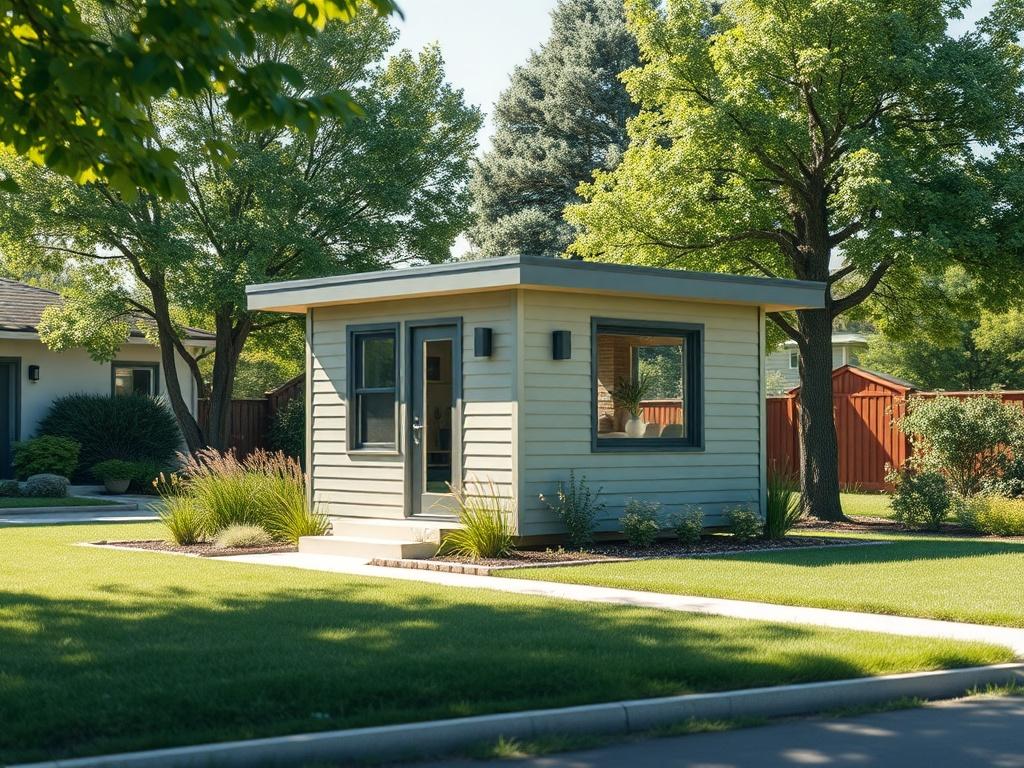
- Detached backyard cottages
- Attached home additions
Local Definitions in the DMV
Washington, DC
DC’s zoning code allows accessory apartments in most residential zones. Detached ADUs in rowhouse zones (RF) have height limits of 22 feet and footprint limits tied to 30% of the required rear yard or 450 sq ft (whichever is greater).
Source: DC Department of Buildings – ADU Regulations (https://dob.dc.gov/node/1621731)
DC also provides a comprehensive homeowner ADU manual.
Source: Coalition for Smarter Growth – DC ADU Manual (https://smartergrowth.net/wp-content/uploads/2022/08/ADU-Manual-2E-2022_WEB.pdf)
Northern Virginia (Arlington Example)
Arlington allows ADUs (“accessory dwellings”) with owner-occupancy requirements, occupancy caps, and recorded covenants.
Source: Arlington County – Accessory Dwellings (https://www.arlingtonva.us/Government/Programs/Building/Permits/Accessory-Dwelling)
Maryland (Montgomery County & Statewide Law)
Montgomery County allows attached and detached ADUs with size limits (max 1,200 sq ft or 50% of main house footprint).
Source: Montgomery Planning – ADUs (https://montgomeryplanning.org/planning/housing-old/accessory-dwelling-units)
Maryland passed the 2025 “Accessory Dwelling Units (Small Houses) Act”, aiming to expand ADU production statewide.
Source: Miller, Miller & Canby – Maryland ADU Legislation
(https://www.millermillercanby.com/new-maryland-legislation-accessory-dwelling-units-aka-small-houses-act-of-2025)
Benefits of Building an ADU in DC, NoVA & MD
1. New Rental Income and Mortgage Support
In the DMV—one of the highest-rent regions in the country—ADUs can generate meaningful monthly rent.
Recent financing changes make this even more attractive:
- Fannie Mae now allows rental income from existing ADUs to help qualify borrowers under HomeReady and expanded ADU-friendly renovation products.
Source: Fannie Mae – ADU Guidelines
(https://singlefamily.fanniemae.com/originating-underwriting/mortgage-products/accessory-dwelling-units) - Freddie Mac allows a portion of expected ADU income to qualify certain borrowers during renovations.
Source: Freddie Mac Seller Guide – ADU Income
(https://guide.freddiemac.com/app/guide/section/5601.2) - Industry guidance notes that ADUs are increasingly being recognized as mortgage-helping income sources.
Source: Brazoban Mortgage – ADU Income Overview
(https://brazoban.com/turn-a-backyard-adu-into-mortgage-helping-income)
In a high-cost region like DC or Arlington, this can meaningfully offset mortgage payments or even cash-flow positively.
2. Increased Property Value and Marketability
ADUs often increase appraised value due to:
- Added conditioned square footage
- Full independent living space
- Legal rentable space
- Strong buyer demand for in-law suites and multigenerational housing
Montgomery County’s recent missing-middle reforms reflect regional trends toward allowing more small housing options, making ADUs even more desirable in the long term.
Source: Washington Post – Missing Middle Debate
(https://www.washingtonpost.com/dc-md-va/2025/07/22/montgomery-county-missing-middle)
3. Flexibility for Multigenerational Living
ADUs are ideal for:
- Aging parents
- Adult children who need transitional housing
- Live-in caregivers or au pairs
- Home offices or studios that can later convert to rentals
Housing experts across the region identify ADUs as key tools for aging-in-place and multigenerational living.
Source: DC ADU Homeowner Manual
(https://smartergrowth.net/wp-content/uploads/2022/08/ADU-Manual-2E-2022_WEB.pdf)
4. Alignment With Pro-Housing Policies
The DMV is trending toward more ADU-friendly rules:
- DC zoning reforms legalized ADUs broadly.
- Montgomery County expanded ADUs as part of its overall housing strategy.
- Maryland passed a statewide ADU law in 2025.
- Arlington has steadily updated its regulations to encourage more accessory dwellings.
National lenders are also supporting ADU development.
Source: Scotsman Guide – Fannie Mae Renovation Lending Update
(https://www.scotsmanguide.com/news/fannie-mae-overhauls-renovation-lending-expands-adu-eligibility)
This means ADU policy risk is trending positive—not negative.
Risks and Challenges of ADU Development in the DMV
1. Zoning and Permitting Complexity
Each jurisdiction has intricate rules on:
- Maximum size
- Height and stories
- Lot coverage limits
- Setbacks
- Parking requirements
- Owner-occupancy rules
- Historic district overlays
Examples:
- DC RF zones cap ADU height at 22 ft with strict footprint limits.
Source: DC DOB ADU Regulations
(https://dob.dc.gov/node/1621731) - Montgomery County limits detached ADUs to the smaller of:
- 1,200 sq ft
- 10% of lot area
- 50% of main house footprint
Source: Montgomery Planning ADU Guide
(https://montgomeryplanning.org/planning/housing-old/accessory-dwelling-units) - Arlington requires owner-occupancy and ADU occupancy caps.
Source: Arlington County – Accessory Dwellings
(https://www.arlingtonva.us/Government/Programs/Building/Permits/Accessory-Dwelling)
Misunderstanding any of these rules can lead to redesigns, delays, or denied permits.
2. High Construction Costs and Site Challenges
The DC region is one of the most expensive construction markets on the East Coast. ADUs often cost more per square foot than full homes because they require:
- A separate kitchen and bathroom
- Full MEP systems (mechanical, electrical, plumbing)
- New foundations or structural modifications
- Utility upgrades
DC and older NoVA suburbs often include narrow alleys, limited staging space, historic structures, and strict stormwater requirements—all of which increase cost.
3. Financing, Appraisal, and Rental Risk
Even with updated lending rules, challenges remain:
- ADU rental income may only partially count toward loan qualification.
- Appraisers may have limited comparable ADUs in some neighborhoods.
- Market rents, vacancy rates, and short-term rental laws can change.
Lenders still require detailed construction budgets, architectural plans, and feasibility reviews.
4. Landlord Responsibilities and Legal Compliance
Once you build an ADU, you’re operating a micro-rental business. Depending on jurisdiction, you must comply with:
- Tenant protections
- Rental registration requirements
- Fair housing laws
- Inspection requirements
- Short-term rental regulations
DC in particular has strict landlord-tenant laws, and short-term rentals require full compliance with separate regulations.
5. Neighborhood or Political Changes
Local debates—especially around parking, neighborhood character, and density—can influence future policy:
- Montgomery County’s missing-middle reforms, for example, faced strong neighborhood opposition.
Source: Washington Post – Missing Middle Coverage
(https://www.washingtonpost.com/dc-md-va/2025/07/22/montgomery-county-missing-middle)
While existing ADUs are unlikely to be restricted retroactively, future rules could add:
- More parking requirements
- Additional design review
- Higher permitting hurdles for short-term rentals
6. Taxes, Insurance, and Long-Term Costs
A new ADU likely increases:
- Property taxes
- Homeowner or landlord insurance
- Utility usage
- Maintenance obligations
Homeowners who only calculate gross rent—not net returns—often overestimate ADU profitability.
Special Considerations by Region
Washington, DC
- Broad ADU legalization across rowhouse and detached zones
- Strict height, access, and footprint rules
- Historic district review (Georgetown, Capitol Hill, etc.) may apply
- Comprehensive homeowner ADU manual available
Source: DC ADU Manual
https://smartergrowth.net/wp-content/uploads/2022/08/ADU-Manual-2E-2022_WEB.pdf
Northern Virginia
- Arlington is the most ADU-friendly but still requires owner-occupancy
- Fairfax and Alexandria allow ADUs but with narrow definitions (often for family/caregiver use)
- HOAs may impose stricter restrictions than county rules
Maryland
- Montgomery County has a mature ADU program
- 2025 statewide Small Houses Act ensures ADUs are broadly permissible
- Continued zoning refinements expected across suburbs such as Silver Spring, Bethesda, and Prince George’s County
Is an ADU Right for You?
Before committing, homeowners should consider:
- Is zoning favorable on my specific lot?
- Can I fully finance construction with proper contingency?
- Is my primary use case rental income, family use, or resale value?
- Am I prepared to be a landlord?
- Can I tolerate a 9–18 month design-to-completion process?
- Will this help or hurt future resale value in my neighborhood?
If the answer is “yes” to most, an ADU can be one of the smartest long-term investments you can make in the DMV.
Final Thoughts
The DMV is becoming one of the most ADU-friendly regionson the East Coast. Policy is moving in the right direction, financing tools are improving, and demand for flexible living space is rising.
But success requires:
- Clear zoning analysis
- Realistic cost planning
- Understanding landlord responsibilities
- Long-term financial modeling
With the right approach, an ADU can transform your property into a flexible, income-producing, multigenerational asset that grows in value—while contributing to the region’s housing needs.